Australia isn’t just “an easier alternative to the US or UK.”
It’s a strategic move.
And if you’re thinking about scholarships in Australia 2026, you need to understand one thing first: Australia plays a different game.
The funding structure is different. The immigration conversation is different. The academic culture is different. Even the expectations from international students are different.
If you treat it like a backup option, your application will look like one.
If you treat it like a deliberate choice, your chances rise fast.
Let’s break this down properly — not with recycled lists, but with the real dynamics shaping Australia scholarships in 2026.
Why Australia in 2026 Actually Makes Sense
Australia has been recalibrating its international education policies.
- Stronger research investment
- Targeted scholarships in priority sectors
- Regional development incentives
- Focus on Indo-Pacific partnerships
Translation?
If you’re from Asia, South Asia, Africa, or the Pacific region, you are strategically relevant.
And governments fund strategy.
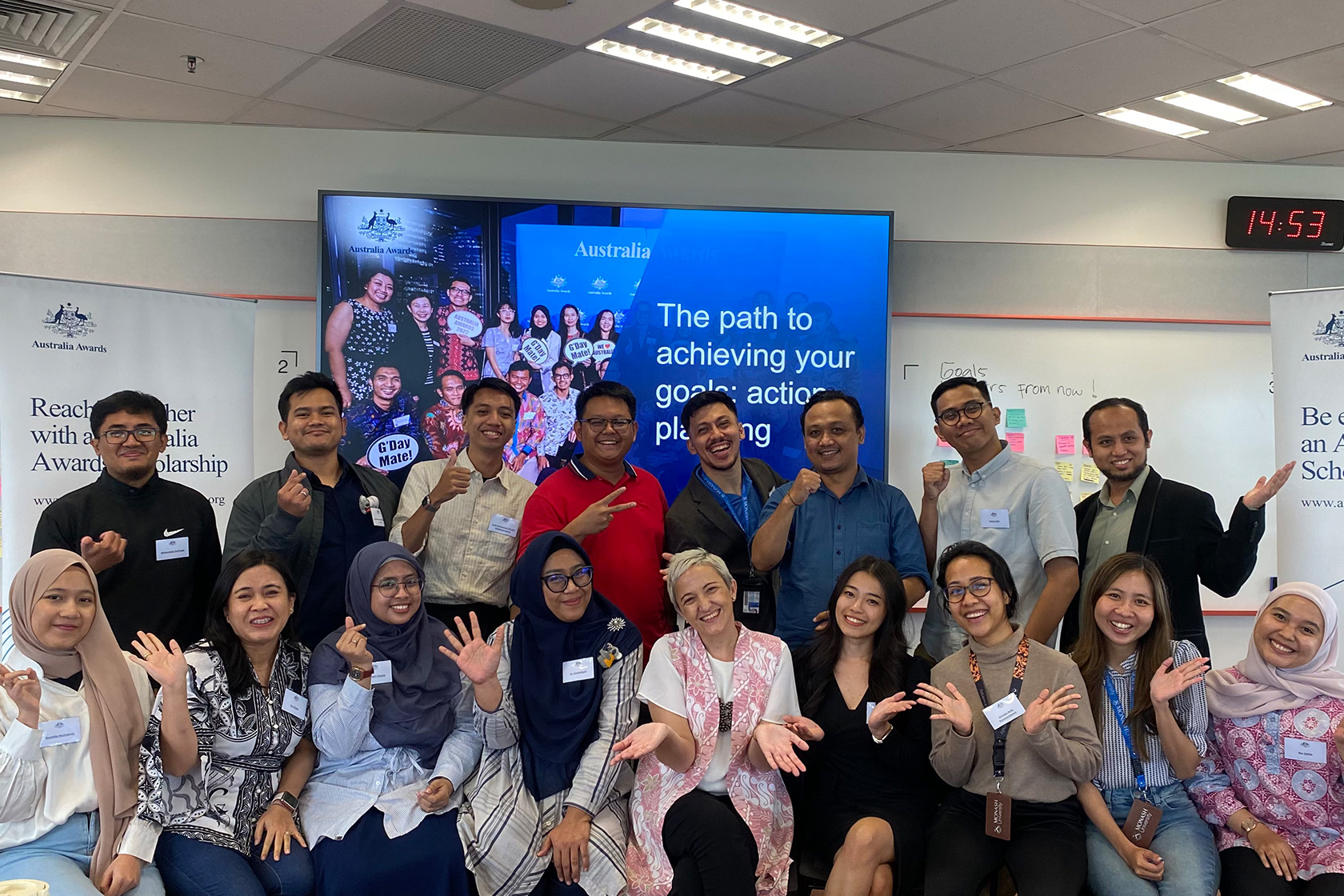
The Heavyweight: Australia Awards Scholarships 2026

4
If we’re talking about fully funded scholarships in Australia 2026, this is the crown jewel.
Funded by the Australian Government, Australia Awards Scholarships (AAS) are serious.
They cover:
- Full tuition fees
- Return airfare
- Establishment allowance
- Living stipend
- Overseas Student Health Cover
- Academic support
But here’s the twist most people ignore:
This scholarship is development-driven.
They are not funding you just because you want international exposure.
They are funding you because they expect you to return home and contribute to your country’s development.
If your application screams “I want PR in Australia,” you’re done.
If your application screams “I want to strengthen climate policy in my country using Australian research expertise,” now we’re talking.
Strong opinion? Australia Awards is less about academic brilliance and more about policy alignment and long-term impact.
Research Training Program (RTP) Scholarships 2026
Now we move into serious territory.



4
If you’re applying for a PhD in Australia, the Research Training Program (RTP) is where the money lives.
Funded by the Australian government and distributed through universities, RTP typically covers:
- Tuition fee offset
- Living stipend (often AUD $32,000+ per year, tax-free)
- Sometimes relocation allowance
Let me be blunt.
Australia is extremely strong in research fields like:
- Environmental science
- Renewable energy
- Marine biology
- Mining & engineering
- Public health
- Artificial intelligence
- Agriculture
If your research aligns with national priorities (climate, sustainability, Asia-Pacific collaboration), your chances increase significantly.
PhD funding in Australia is competitive — but not impossible.
What you need:
- Strong academic transcript
- Clear research proposal
- Supervisor confirmation
- Publications (if possible)
- Academic references who actually advocate for you
And please — stop sending generic emails to supervisors.
“I want to work under your supervision” means nothing.
Show them you understand their work. Show them you’ve read their papers. Show them how you fit into their current grants.
University-Specific Scholarships in Australia 2026
This is where people underestimate opportunities.
Almost every major Australian university has its own scholarship ecosystem.
Examples:
- University of Melbourne Graduate Research Scholarships
- ANU International Research Scholarships
- Monash International Merit Scholarship
- UNSW International Scientia Coursework Scholarship
- University of Sydney International Scholarships
Some are full tuition.
Some are partial.
Some include stipends.
Here’s the smart move:
Don’t just apply to the scholarship page.
Read faculty pages.
Many faculties have discipline-specific awards hidden inside departmental listings.
I’ve seen students miss fully funded opportunities because they only checked the “main scholarship tab.”
Lazy research costs money.
Coursework vs Research: Big Difference
Let’s clarify something important.
Coursework Master’s Scholarships
These are harder to get fully funded.
Why?
Because coursework programs are revenue generators for universities.
Funding is limited and often partial.
You might get:
- 20% tuition reduction
- 30% merit scholarship
- One-time award
Fully funded coursework scholarships exist — but they’re rare and highly competitive.
Research Degrees (Master’s by Research / PhD)
Much higher chance of full funding.
If your goal is a fully funded scholarship in Australia 2026, research pathways statistically offer better odds.
Fields That Will Dominate Australia Scholarships 2026
Let’s talk trends.
Australia is investing heavily in:
- Climate adaptation
- Water management
- Renewable energy
- Artificial intelligence
- Public health resilience
- Indigenous studies
- Regional diplomacy
If you’re applying in one of these sectors, you are strategically aligned.
If you’re applying in generic business management with no niche focus? Competition skyrockets.
Specific beats generic.
Every time.
The Visa & Migration Question (Yes, We Have to Address It)
Australia has tightened student visa scrutiny recently.
Why?
Because they want genuine students, not migration shortcuts.
So your Statement of Purpose must:
- Show academic seriousness
- Show career clarity
- Avoid vague immigration-driven tone
Ironically, strong scholarship applicants often have fewer visa problems because their intent is clearer and documented.
Deadlines for Australia Scholarships 2026
Mark this carefully.
Australia Awards deadlines often close around:
- April 2025 (varies by country)
University research scholarships for 2026 intake usually close between:
- August 2025
- October 2025
- December 2025
Yes, that early.
If you start preparing in late 2025 for 2026 intake, you are late.
Strong candidates begin preparing at least one year in advance.
What Makes a Winning Australia Scholarship Application?
I’ll summarize what actually moves the needle.
- Clear alignment with Australian expertise
- Demonstrated impact in your home country
- Professional experience (especially for Australia Awards)
- Academic consistency
- Strong referees
- A focused, realistic career plan
Notice what’s missing?
“Passion.”
Everyone writes about passion.
Very few show measurable contribution.
A Mistake I Keep Seeing
Students copy UK-style or US-style essays and reuse them for Australia.
Doesn’t work.
Australian academic culture values:
- Practicality
- Research clarity
- Contribution to society
- Collaborative mindset
Less drama. More substance.
Less grand storytelling. More grounded ambition.
Is Australia Worth It in 2026?
Here’s my honest take.
If your priority is:
- Cutting-edge research in sustainability
- Strong Asia-Pacific exposure
- High quality of life
- English-speaking environment
- Potential post-study work pathways
Australia is a powerful option.
But if you’re chasing rankings blindly, you’ll miss the bigger picture.
Some Australian universities may not dominate flashy global rankings like Ivy League schools — but their research output and industry collaboration are strong, especially in STEM and environmental sciences.
Action Plan for Australia Scholarships 2026
If I were applying right now, here’s what I’d do:
- Identify 8–12 universities aligned with my field
- Study national research priorities
- Shortlist potential supervisors early
- Draft research proposal months in advance
- Prepare academic CV with publications or projects
- Secure referees early
- Apply for both university scholarships and RTP simultaneously
- Check Australia Awards eligibility separately
And yes — track everything in a spreadsheet.
Organization beats talent when deadlines hit.